The Weekly lands every Friday with the week's kitchen tech and a recipe to try.

The Weekly · October 30, 2026

DoorDash goes for Instacart, regulators go after Toast, and AI moves onto the line

It was a big week for the business side of kitchen tech. DoorDash agreed to buy Instacart, and federal and state regulators sued Toast, whose point-of-sale system runs at nearly 200,000 locations by its own count. On the line, Chipotle and Wingstop showed how far AI has moved into daily prep and staffing. At home, the news was smaller but useful: a shorter wireless probe for thin cuts, which pairs nicely with this weekend’s reverse-seared steak.

This week's stories

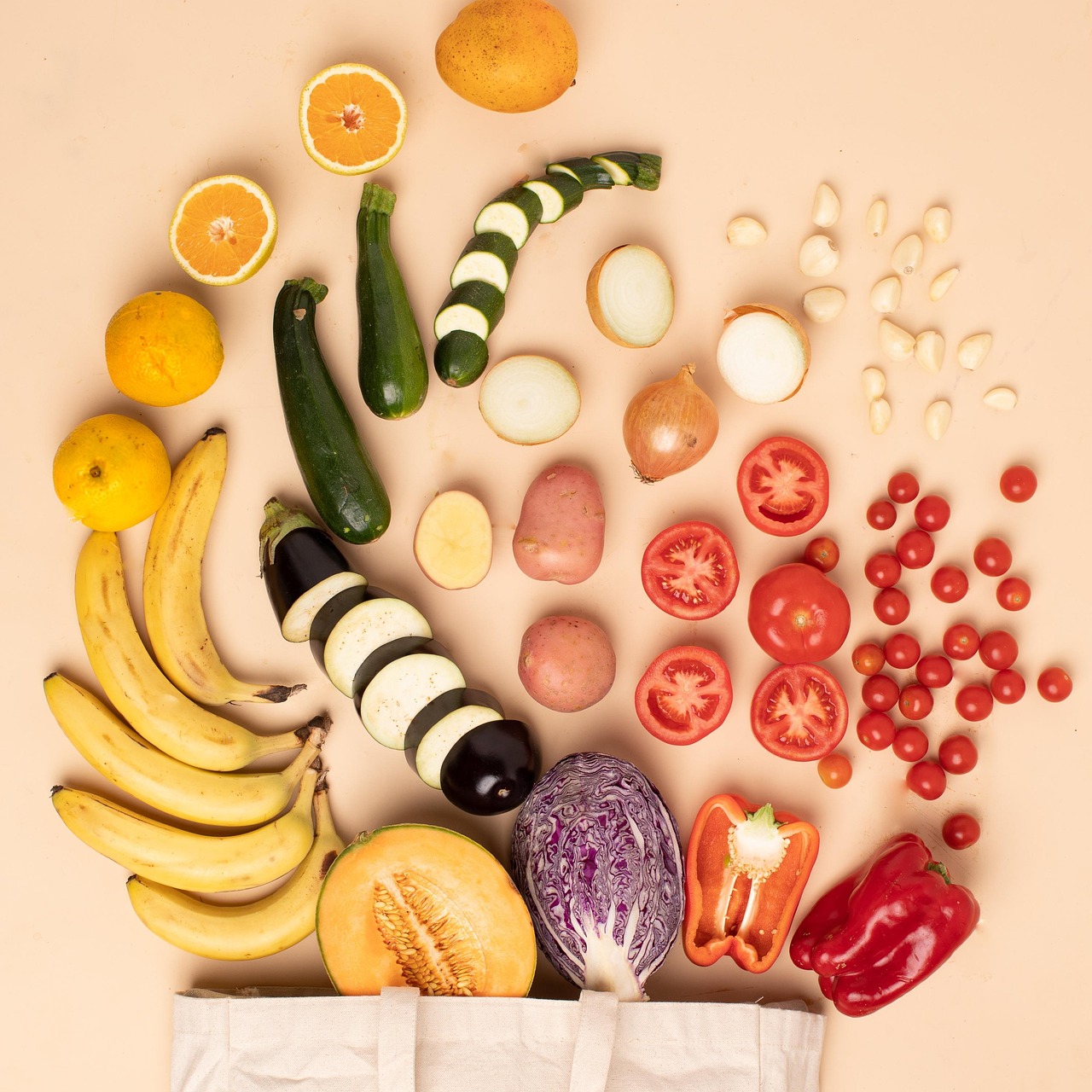
grocery bags doorstep
Photo: Serpae / Pixabay

In the Pro Kitchen

DoorDash agrees to buy Instacart for about $17 billion

DoorDash will pay $65 a share, mostly in cash, for Instacart, with closing expected between late 2027 and mid-2028. Instacart keeps its brand and app until then. For restaurants, the combined company would control a much bigger courier network, which could shape delivery fees and terms down the road.

Our take: Nothing changes for operators until the deal closes, which is expected between late 2027 and mid-2028. But one company holding both the biggest restaurant courier network and the biggest grocery one gains a lot of leverage on fees. Now is a good time to make sure your own online ordering is solid.
Read it at Restaurant Dive →

restaurant point of sale terminal
Photo: AS_Photography / Pixabay

In the Pro Kitchen

FTC and eight states sue Toast over fees and hard-to-cancel contracts

Regulators allege the restaurant POS maker added unrequested services, hid early-termination fees on its pay-as-you-go plan and charged diners a 99-cent online-order fee that went to Toast. Toast disputes the case and says it will fight it in court; the claims are unproven. Operators on Toast may want to re-read their contract terms now.

Our take: Whatever the court decides, this is a useful nudge to pull out your POS contract and check the early-termination terms, add-ons you never asked for and any fees on online orders.

Read it at QSR Web →

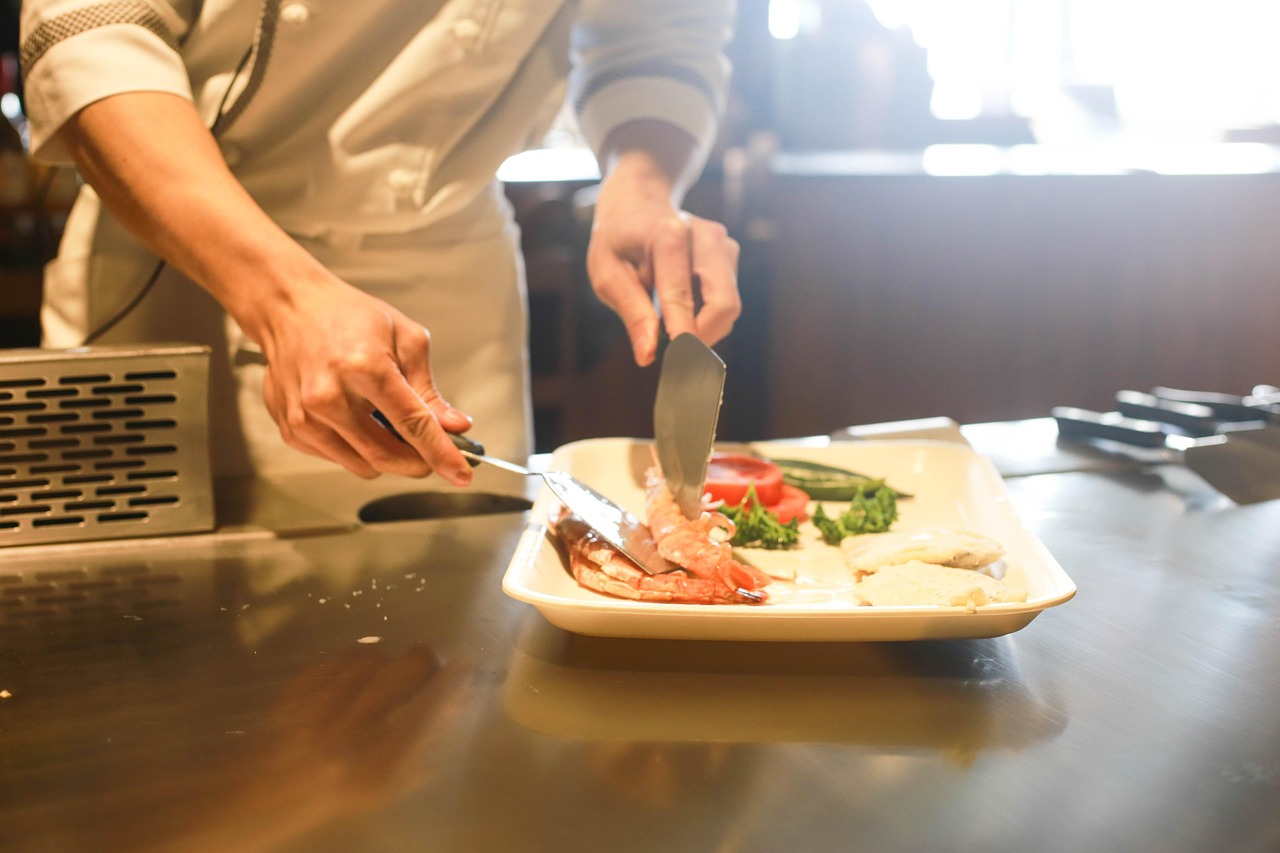
restaurant kitchen food prep
Photo: 12019 / Pixabay

In the Pro Kitchen

Chipotle's AI prep tool is in 500+ stores, with a national rollout planned for 2027

A cook-to-demand system tells crews how much to make and when, and it's heading nationwide early next year. Chipotle is also rolling out its own digital makeline screens and testing automatic rewards for Apple Pay users. Its AI recruiter cut the time from application to first shift from 12 days to 4.

Our take: The quiet win here is prep forecasting: making the right amount at the right time cuts waste without changing the menu. Expect POS and kitchen-display vendors to pitch smaller operators the same thing.

Read it at Fast Casual →

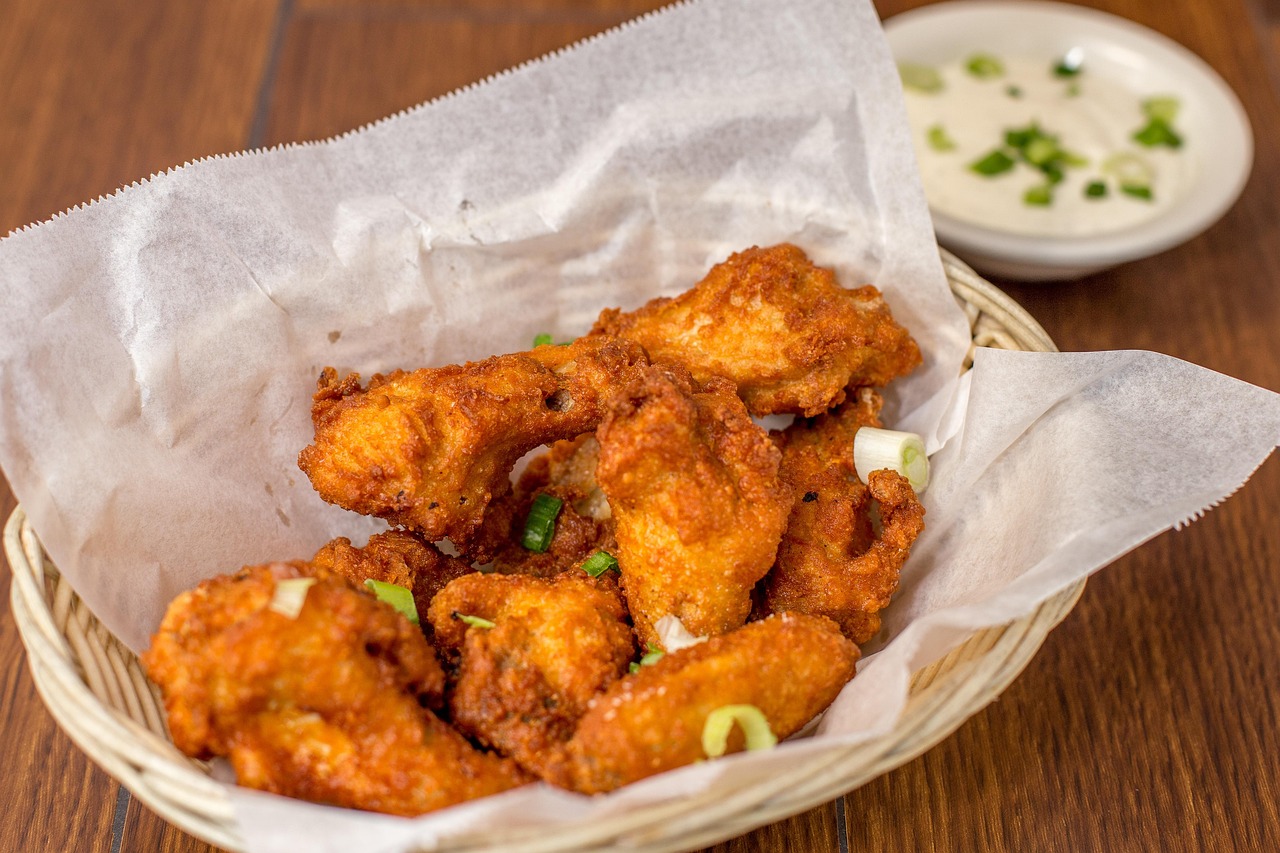
chicken wings restaurant
Photo: mrpizzamandc / Pixabay

In the Pro Kitchen

Wingstop names a chief AI officer and leans on personalization to revive sales

With same-store sales down 5.4% last quarter, Wingstop is using AI-driven personalized offers, its new loyalty program and a field-team tool that flags struggling stores. It says food-quality complaints are down almost 30% this year after rolling out its Smart Kitchen system. A test of whether restaurant AI moves sales, not just operations.

Our take: AI is easier to bolt on to operations than to sales. Wingstop's complaint numbers improved; its sales haven't yet. Watch whether personalized offers close that gap.

Read it at Restaurant Dive →

burger and fries tray
Photo: emkanicepic / Pixabay

In the Pro Kitchen

Burger chain Nash & Smashed says kiosk-led stores bring in checks up to 70% higher

The 35-unit chain moved to Qu's system, which ties together POS, self-order kiosks, kitchen screens and online orders. Early results at its kiosk-first locations show much larger checks than its older stores. About 40% of its orders are already digital, mostly through its own website.

Our take: Kiosk upsells are real, but early numbers from new stores flatter the change. The more lasting gain is one system tying POS, kiosks and kitchen screens together.

Read it at Fast Casual →

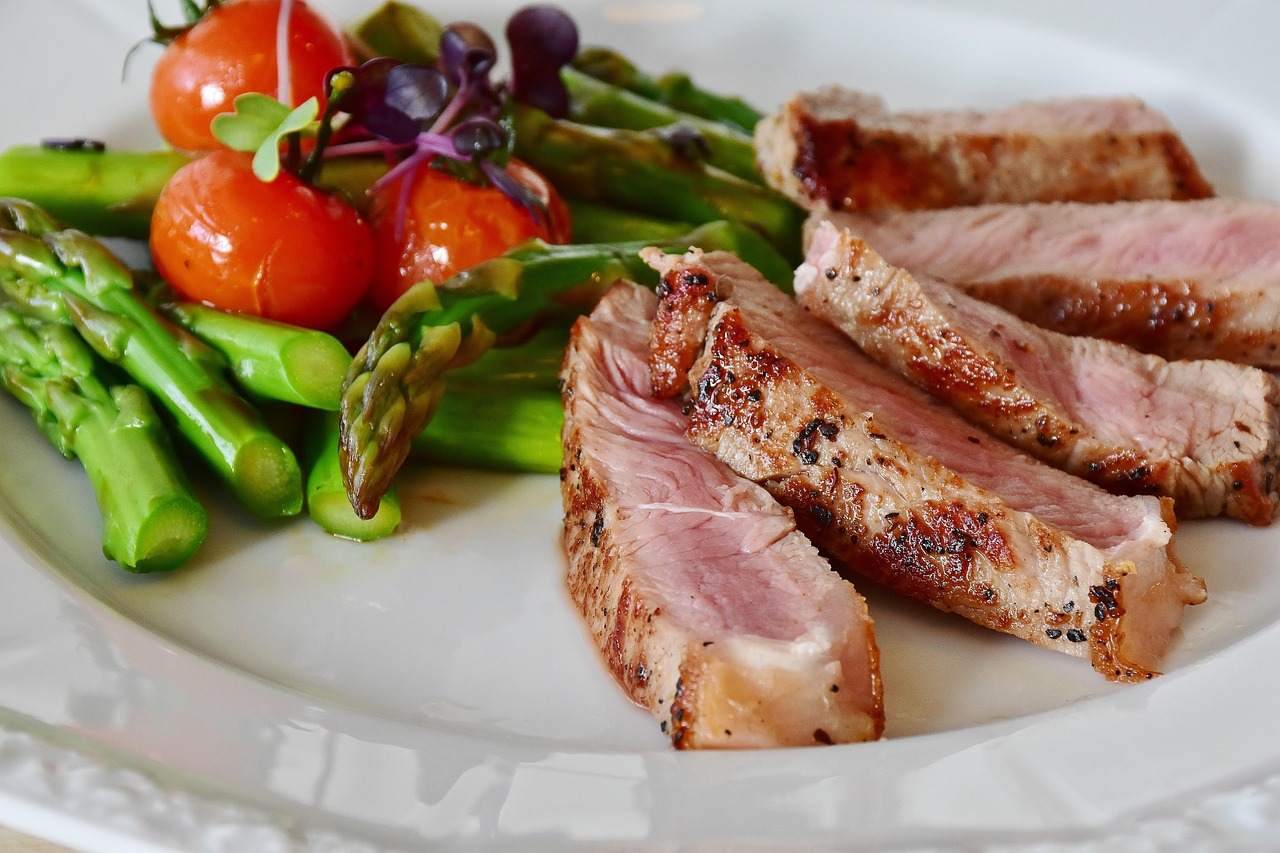
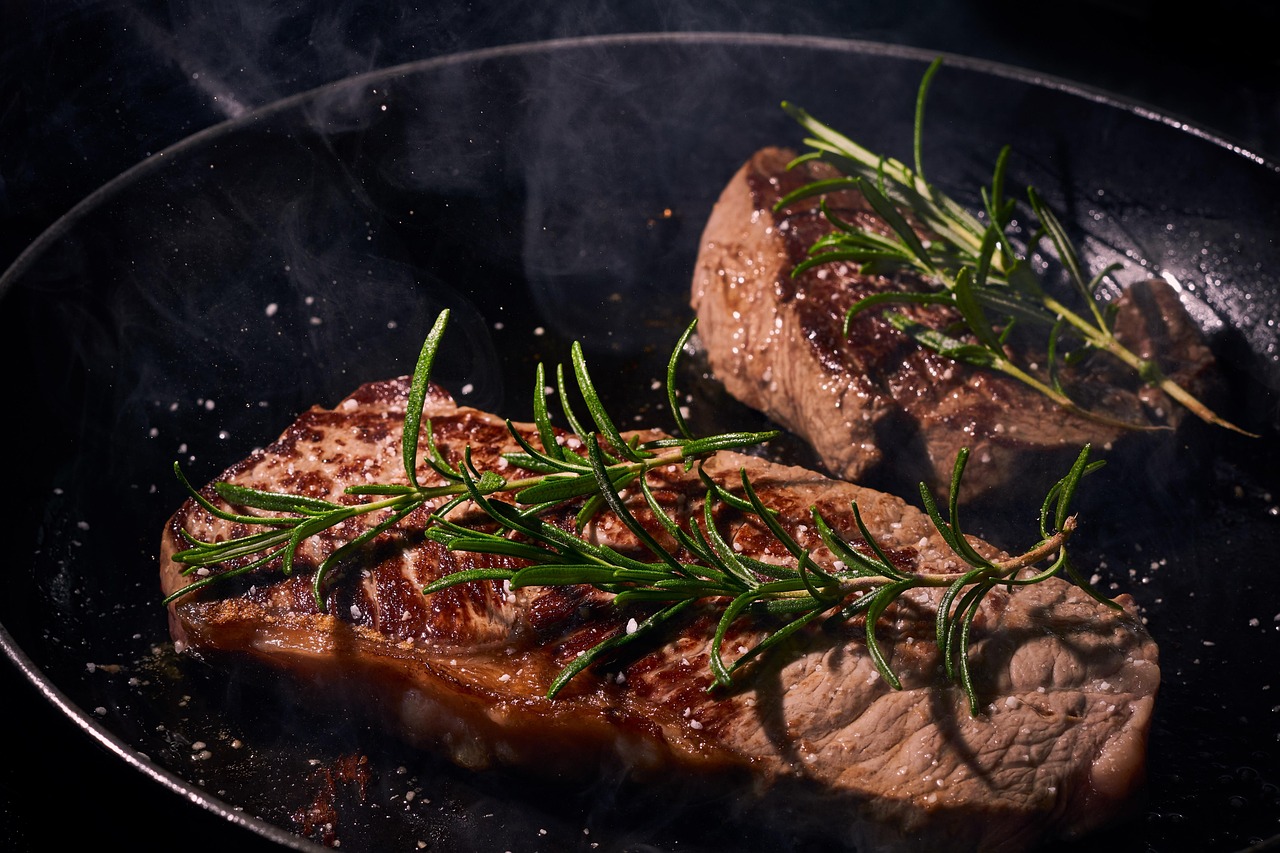
grilled steak thermometer
Photo: RitaE / Pixabay

At Home

ThermoWorks adds a shorter RFX wireless probe for steaks and fish fillets

The $99 RFX Meat Mini is built for thin cuts like filet mignon and single salmon portions, keeping the full-size probe's four sensors and dishwasher-safe body. It talks to ThermoWorks' RFX Gateway by radio rather than Bluetooth, which is required, and runs up to 48 hours on a charge. It's on sale now.

Our take: If you already own the RFX Gateway, the Mini fills the gap for thin steaks and fish, where a long probe won't fit. If you don't, a basic instant-read thermometer still does most of the job.

Read it at Engadget →

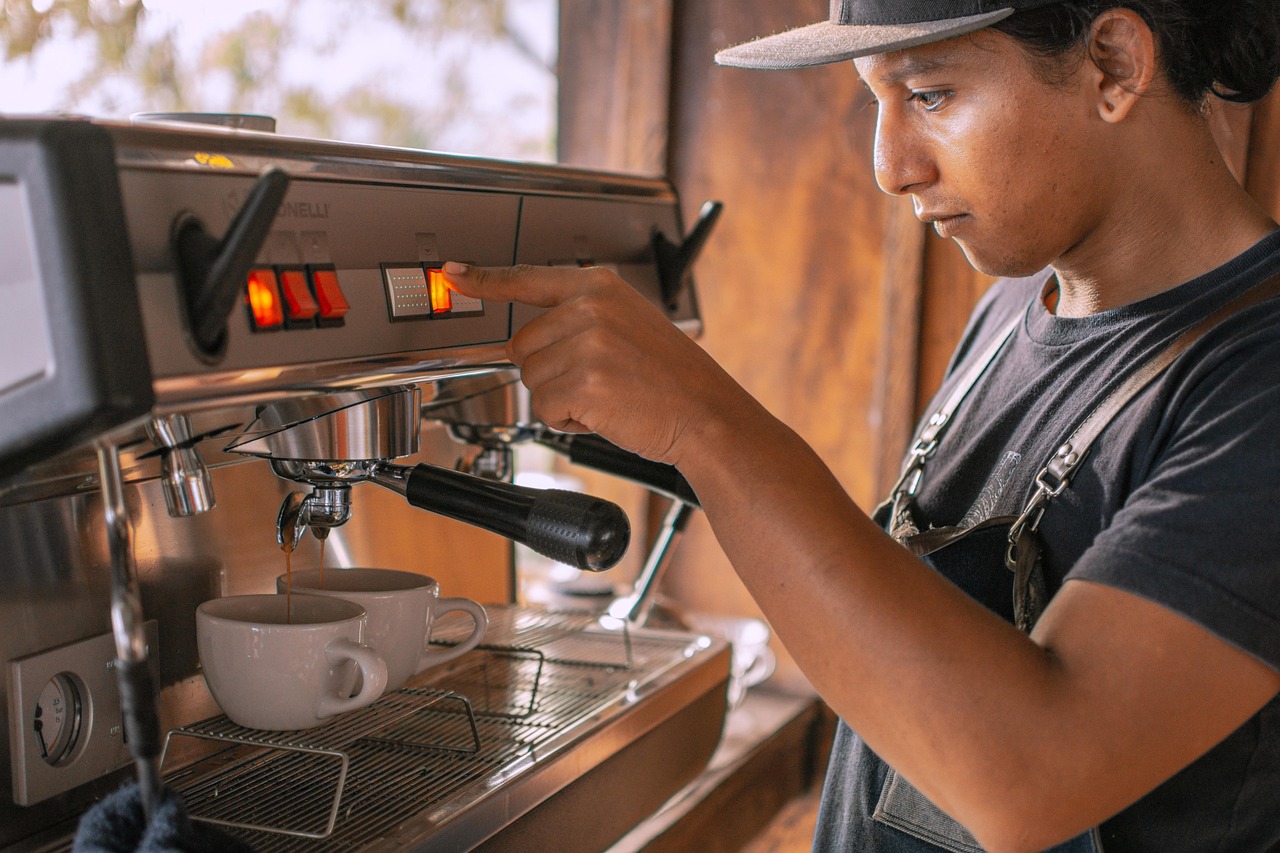
espresso machine kitchen counter
Photo: danymena88 / Pixabay

At Home

De'Longhi shrinks its drip-plus-espresso machine by a fifth

The new All-in-One Combination Coffee & Espresso Machine (COM630BK) makes drip coffee, cold brew and espresso, now with a touch display and a footprint more than 20% smaller than before. It sells for $349.95 in the US. A sensible pick if you want one machine on the counter instead of two.

Our take: Combo machines trade a little espresso quality for a lot of counter space. For a household that drinks both drip and lattes, that's usually the right trade.

Read it at T3 →

Weekend Recipe · Probe thermometer

Reverse-Seared Steak with Garlic and Thyme

A low oven brings the steak up evenly, then a very hot cast-iron pan adds the crust. It's pink edge to edge with almost no gray band.

See the recipe

Written with AI assistance, reviewed by the TechKitchen editors. How we make TechKitchen · All Weeklies